
Advanced waterproofing for concrete and underground water tanks
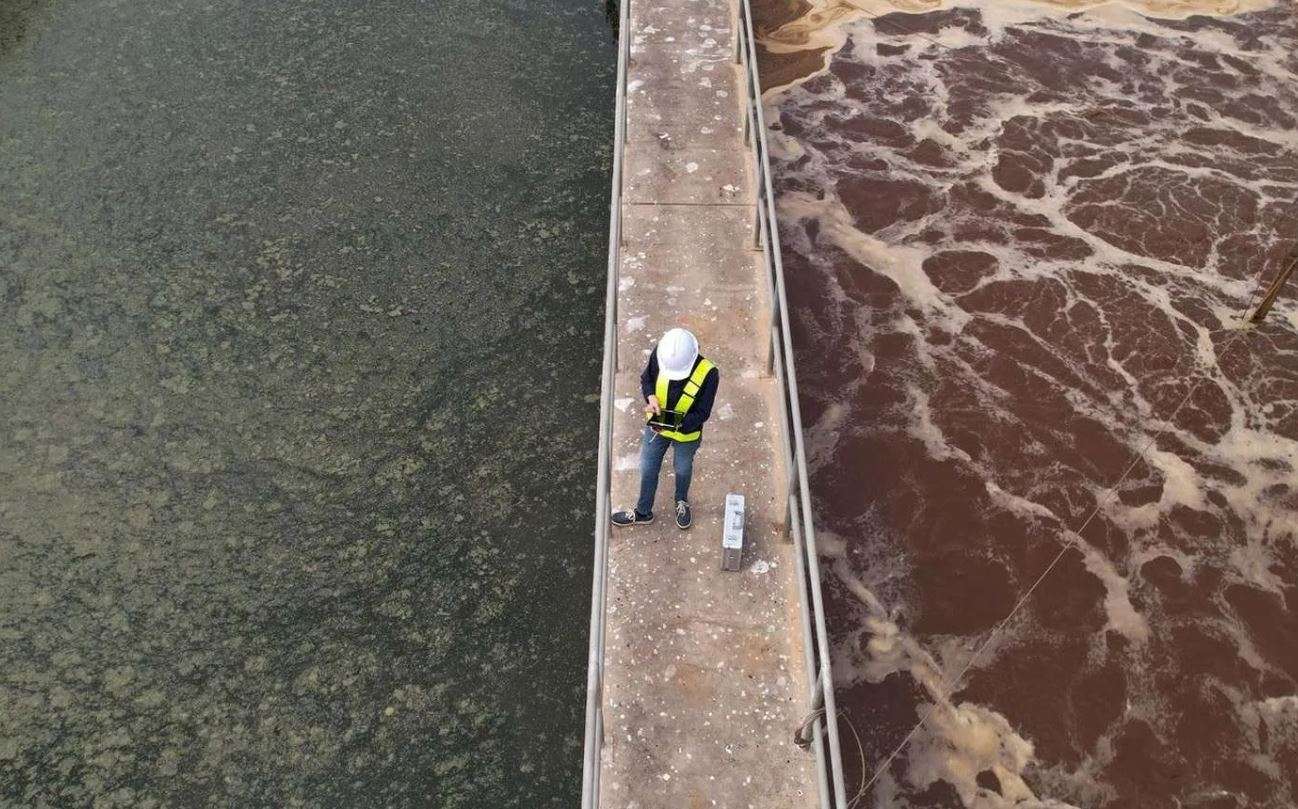
When it comes to water tank waterproofing, there is no room for error. Whether it’s a concrete tank, a cistern, or an underground reservoir, cracks and leaks can compromise structural safety, water quality, and operational reliability.
MPM offers high-performance tank waterproofing solutions designed for extreme conditions, aggressive liquids, and constant hydrostatic pressure. With over 70 years of experience in advanced materials, our systems are trusted by professionals across the globe.
Tank waterproofing solutions built for permanent water contact
Most waterproofing products are designed to shed rain. Tank waterproofing is a different challenge: the coating sits under continuous water pressure, often on the wrong side of the wall from a drainage point of view, and it can never be allowed to fail quietly.
The Starflex range is part of MPM’s wider family of cold-applied liquid waterproofing systems, built from the ground up to bond to damp or wet concrete and stay elastic through thermal cycling, structural movement, and sustained hydrostatic load. A cement tank waterproofing job doesn’t need a bone-dry substrate before work can even start.
Where a concrete tank waterproofing project needs a fully impermeable membrane under permanent water head, or an underground tank waterproofing job has to resist pressure pushing in from every side, the same cold-applied logic holds. No removal of existing failed layers where they’re sound. No flame, no hot-works permit. A cure that keeps moving even in cold or damp conditions. For potable water tank lining specifically, our STARFLEX HR hot-applied system is certified for direct contact with drinking water (Italian Ministerial Decree 174/2004, Certificate No. 2201174).
Where a wastewater or industrial tank is exposed to diluted acids, alkalis, and aggressive effluent, the chemical-resistant concrete waterproofing systems in the range are formulated to hold up rather than degrade over a normal service life. For cistern and reservoir restoration, that same overlay logic applies: existing bituminous or single-ply membranes generally don’t need to come out first, saving both excavation cost and programme time.
How Starflex compares to traditional sheet membranes at a glance
| MPM Starflex
Liquid membrane system |
Sheet membrane
Traditional torch-on / adhered |
|
| Application method | Cold-applied – airless spray, trowel or roller. No hot works, no flame, no special permit required. | Torch-on or hot-applied. Requires hot-works permit, fire safety precautions and controlled site conditions. |
| Substrate condition required | Bonds to damp or wet concrete. No waiting for the substrate to dry. Works on most existing waterproofing layers without removal. | Requires dry, clean, prepared substrate. Damp conditions delay or prevent installation. Existing failed layers often require removal. |
| Cure time | Rapid cure. Systems can be foot-trafficked within hours; full performance is reached in 24-48 hours depending on temperature. | Longer programme impact. Torch-on sheets require cooling time; delays compound on multi-layer systems. |
| Crack bridging | Elastic, elastomeric membrane. Accommodates structural movement, active cracks and thermal cycling without failure or delamination. | Rigid or semi-rigid. Lap joints and overlaps are vulnerability points. Prone to cracking or delamination at movement zones. |
| Certification | BBA, EOTA, LCA, CAM, LEED, EPD certified. Approved for drinking water contact and wastewater environments. | Certifications vary by manufacturer and product. Drinking water approvals not standard across all sheet membrane types. |
Some among the many who have chosen our solutions:




















What goes into a tank waterproofing system, and why one product alone isn’t the answer
Waterproofing coating for water tank applications is a system problem, not a single-product purchase. Failures cluster at the details: pipe penetrations, expansion joints, curved walls, domed roofs. Far more often than across the flat plane of a wall.
That’s why the Starflex range is built as a complete envelope rather than a standalone coating:
- Primers that bond to damp concrete, metal, existing waterproofing layers, and practically any site substrate encountered in refurbishment work
- Elastic liquid membranes engineered for continuous immersion and dynamic movement, with genuine crack-bridging performance rather than a rigid film that eventually splits
- Protective coatings resistant to elevated temperatures, UV exposure, and concentrated chemical attack, relevant wherever a waterproofing compound for water tank also has to survive industrial cleaning regimes
- Detail solutions for pipe penetrations, upstands, vents, and the complex geometry that a sheet membrane struggles to seal continuously
- Low-VOC formulations across the range, keeping application safer in enclosed or partially ventilated tank interiors
Every system in the range is cold-applied. No naked flame, no hot-works permit. Installation is by airless spray, trowel, or roller depending on the geometry involved.
Our certifications



Applications: every tank type, every condition
MPM Starflex systems have been specified and installed across the full spectrum of water and industrial tank structures, applying the same barrier logic used in our foundation and basement waterproofing systems wherever hydrostatic pressure is pushing in from every side.
Water storage and distribution
Potable water reservoirs, water towers, underground storage tanks, and cisterns, where water quality and regulatory compliance aren’t negotiable points.
Potable water reservoirs, water towers, underground storage tanks, and cisterns, where water quality and regulatory compliance aren’t negotiable points.
Wastewater and industrial process
Clarifiers, effluent tanks, chemical bunds, and containment structures, where the coating has to resist sustained exposure to organic and inorganic aggressive compounds rather than occasional splash contact.
Clarifiers, effluent tanks, chemical bunds, and containment structures, where the coating has to resist sustained exposure to organic and inorganic aggressive compounds rather than occasional splash contact.
Agricultural and biogas
Slurry tanks with high-moisture pre-cast joints, and biogas digesters that need a flexible, gas-tight internal lining rather than a rigid one that cracks under pressure changes.
Slurry tanks with high-moisture pre-cast joints, and biogas digesters that need a flexible, gas-tight internal lining rather than a rigid one that cracks under pressure changes.
Infrastructure maintenance and refurbishment
Existing waterproofing generally doesn’t need to be stripped out first. Starflex systems overlay bituminous, single-ply, or existing coating layers, cutting demolition cost, waste, and programme time out of the job.
Existing waterproofing generally doesn’t need to be stripped out first. Starflex systems overlay bituminous, single-ply, or existing coating layers, cutting demolition cost, waste, and programme time out of the job.
Why this matters more for tanks than almost any other application
Depth of formulation experience
70 years of R&D behind the range means the technical team has already seen what fails on site and engineered the fix into the product line, rather than leaving it to the installer to work around.
Certified, documented performance
BBA, EOTA, LCA, CAM, LEED, and EPD-certified systems, each backed by independent test data. When a regulator or client asks for the paperwork on a potable water tank lining, it exists and it’s ready.
Built for real site conditions
Cold-applied systems that cure in damp, cold, or otherwise imperfect conditions, because tank interiors are rarely dry, warm, and convenient to work in.
Logistics that don’t slow a project down
MPM’s cold-applied waterproofing systems are safe for transport and use with no ADR/IMO constraints, which matters directly to distributors moving stock across borders and to contractors who need material on site without hazardous-goods delays.
A trained network behind the product
Systems are installed by specialised, certified applicators, trained through the MPM Arena programme, and backed by MPM’s own technical team for on-site support when a project needs it.
From enquiry to installation: how we work with you
Getting the specification right matters as much as the product itself, which is why the process starts with a conversation, not a product code.
- Technical consultation
Tell us the substrate, the exposure conditions and the programme. We recommend the system that fits the job, not the most expensive one on the list. - Free technical site survey
For projects where the details matter, pipe penetrations, existing failed membranes, unusual geometry, we can arrange an on-site assessment before any specification is finalised. - System specification
A bespoke package covering substrate preparation, primer selection, membrane grade, application method and quality control checkpoints. - Applicator support
Installation is carried out by trained, certified specialist applicators, with MPM providing on-site technical assistance where the project demands it. - Documentation
Certificates, technical data sheets, test reports and compliance paperwork, ready for your client, specifier or regulator.
Reliable products. Expert support. Guaranteed performance.
FAQs
Does a concrete water tank need special waterproofing, or will a standard coating work?
Standard coatings are usually designed for occasional wetting, not permanent immersion under hydrostatic pressure. A concrete water tank needs a system engineered for continuous water contact, crack bridging as the structure moves, and, for potable water, certification for contact with drinking water specifically.
Can a water tank be waterproofed while it’s still damp, or does it need to dry out first?
With cold-applied systems designed for this, yes. Standard sheet membranes generally require a dry substrate, which can hold up a project for weeks. A system bonded for damp or wet concrete removes that delay.
What makes a waterproofing product suitable for a wastewater or industrial tank rather than a standard water tank?
Wastewater and industrial tanks expose the coating to diluted acids, alkalis, and aggressive effluent rather than clean water. The lining needs chemical resistance built in, not just water resistance, to avoid degrading over the tank’s service life.
How is a tank waterproofing job usually carried out?
It normally starts with a technical consultation on substrate and exposure conditions, followed by a site survey where the geometry is complex, then a bespoke specification and installation by a trained, certified applicator, with documentation supplied at handover.
Contact us for support and offers

MIXER SRL – mpm division
Via Adda 15, 20073 Opera (MI) – Italy
Email: info@mpmsrl.com
Privacy & Cookie Policy
Contacts
Ph. +39 02 57609116 – +39 02 57601225
Fax +39 02 57603410
REA: MI – 1797438 – VAT N.: 09351720157

